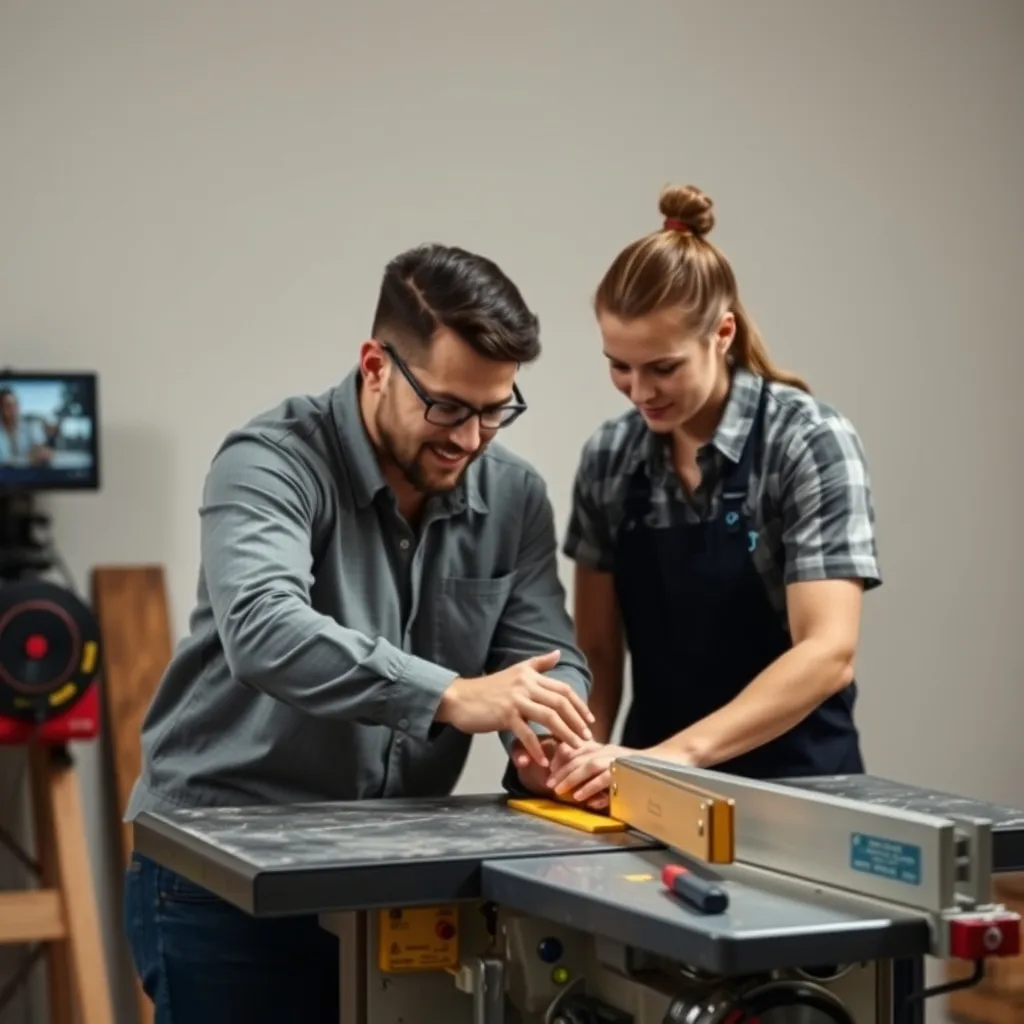
Plans are good at telling you what to cut and in what order. They are poor at watching you cut it. If you are stuck, nervous about a tool, or unsure whether a plan is sound, a person in the room can solve in ten minutes what a PDF cannot solve in ten days. This guide helps you decide when plans alone are enough and when to bring in help.
Start With What Kind of Problem You Have
Most "I need help" moments fall into one of four buckets. Naming yours tells you where to look.
- Skill gap: you do not know how to do a technique, such as cutting a joint or flattening a panel.
- Tool gap: you lack a tool or are unsure how to use one safely.
- Plan gap: the drawings, cut list or dimensions seem wrong or incomplete.
- Judgment gap: the project carries real consequences if it fails, such as a loft bed, a climbing structure or a heavy shelf over a seating area.
When Plans Alone Are Usually Enough
A well-written plan can carry you through a simple build if you have basic tools and some patience. Think of a small bench, a basic shelf or a planter box. Before you start, check that the plan has a full materials list, a cut list with dimensions, and clear assembly steps. Our guide on finding good woodworking plans covers what to look for, and planning a project before you buy lumber shows how to turn an idea into a cut list you trust.
Also check your tools against the plan's assumptions. The starter tool kit guide lists what plans often take for granted. If you are wondering about big machines, do you need a table saw is a quick read.
Your Three Support Options
A Class
Classes suit skill and tool gaps. You get supervised practice, usually on shop equipment you do not have to buy. The tradeoffs are cost, fixed schedules and the fact that the class project may not match what you want to build. Ask the provider what the course covers, how many students share the instruction, and whether you can handle the tools yourself. Confirm current fees and dates directly with them.
A Local Woodworker
This could be a neighbour, a club member, a makerspace regular or a small cabinet shop owner. It is a good fit for one-off questions: "Does this joint look right?" or "Would you cut it this way?" Be respectful of their time. Bring your plan, your lumber and a specific question. Offer to pay, trade help or buy coffee. Remember that one person's habits are one opinion, not the only correct method.
Professional Help
Hire a pro when the stakes are high or the work is beyond your tools. That includes structural questions, load-bearing builds, built-ins that tie into walls, electrical or plumbing in a piece, and anything a child might climb or sleep on. A professional can also mill rough lumber or make a tricky part for you. The tradeoff is cost. For safety-critical or code-related work, consult a qualified professional, such as a builder or engineer, and check local requirements. A plan cannot do that for you.
Comparison at a Glance
| Option | Best for | Main tradeoff |
|---|---|---|
| Class | Learning techniques, trying tools safely | Cost and schedule; project may not match yours |
| Local woodworker | Quick checks, practical advice, tool tips | Availability; advice varies by person |
| Professional | High-stakes, structural or specialised work | Highest cost; less hands-on learning for you |
| Plans only | Simple builds with clear drawings | No one to catch mistakes |
 Recommended for youWhy Woodworking Builds Fail: Common Causes and How Better Plans Prevent Them
Practical Steps Before You Ask Anyone
- Read the whole plan first. Many questions answer themselves by step eight.
- Check the lumber math. Confusion over nominal and actual sizes causes many errors. See reading a materials list.
- Test-fit with scrap. Practise a cut or joint on offcuts before touching good boards.
- Write down your question. Include dimensions, photos and what you have tried.
- Decide your stopping point. If a step feels unsafe, stop and get help rather than push on.
Signs the Plan Is the Problem
If parts do not add up, dimensions are missing or the cut list does not match the drawings, you may not need a class. You may need a better plan, or a fix. Free downloads vary, so see whether free plan PDFs are accurate enough. If you are already mid-build, rescuing a build from a bad plan walks through repairs. A local woodworker is often the right person to sanity-check a doubtful drawing. For wider causes of trouble, read why builds fail.
Special Cases
- Outdoor builds: wood choice and weatherproofing matter as much as the cuts. See outdoor projects from plans. Anything structural, like a shed foundation, may involve local rules.
- Resizing a plan: changing dimensions affects joints and strength. Read adjusting plan dimensions, then have someone experienced review your changes.
- Budget builds: help costs money, so choose projects wisely. Furniture projects that save the most money can help you pick.
- Timing: beginners often underestimate. How long a first piece takes gives realistic expectations.
Where a Plan Pack Fits
A large plan collection can reduce the number of times you get stuck, because you can choose projects that match your skill and compare drawings. It cannot replace hands-on teaching or professional judgment. If you are weighing Teds Woodworking, use the Plan Bench Review comparison and review pages to check what is included, then confirm current contents, formats and any refund terms on the official site before you buy. Treat the plans as one resource, and keep a class, a neighbour or a pro in reserve for the moments the paper cannot cover.
Keep reading
 Rescuing a Build From a Bad or Incomplete Plan: Fixing Missing Dimensions and Wrong Cut ListsYou've bought or downloaded a plan, started cutting, and something doesn't add up. A dimension is m…
 How to Plan a Woodworking Project Before You Buy Lumber: From Idea to Cut ListMost expensive woodworking mistakes happen before the first cut. A plan that looked complete turns…
 Starter Tool Kit for Building Furniture: What You Need and What Plans Assume You OwnMost plan packs list materials and cuts, then quietly assume you already own the tools to make thos…