
A plan is too advanced if you can't picture how each step gets done with the tools and joinery you already know. Read it start to finish before buying anything. If several steps rely on techniques you've never tried, or on tools you don't own, pick a simpler project first.
Quick checks before you commit
1. Count the unfamiliar joints
Butt joints with screws or pocket holes are beginner territory. Mortise-and-tenon, dovetails, sliding joints and tapered legs take practice. One new technique is a fair stretch. Three or four in one project is usually too much.
2. Check the tools it assumes
Look for a jointer, planer, router table or table saw in the instructions. Our starter tool kit guide covers what plans tend to assume you own, and the table saw question explains what can be done without one.
3. Look at the quality of the instructions
A plan suited to a newer builder has numbered steps, a full cut list, clear dimensions and diagrams from more than one angle. If it says "fit the drawer" and nothing else, expect to fill gaps with your own judgement. See rescuing a build from an incomplete plan for what that looks like.
4. Read the materials list critically
Wide hardwood boards, odd thicknesses or a lot of milling can add difficulty and cost. Make sure you understand nominal versus actual sizes and board feet before you shop.
5. Be honest about time and space
Big assemblies need room and clamps. Glue-ups with a deadline are stressful. For a realistic sense of pace, see how long a first piece takes.
A simple self-test
- Can you explain every step in your own words?
- Do you own, or can you borrow, every tool named?
- Could you recover if one cut goes wrong, with spare lumber and budget?
- Is there a step where a mistake can't be fixed, such as a large panel or an expensive board?
If you answer no to two or more, scale down. A small bench, shelf or simple table teaches the basics and costs less when something goes sideways.
 Recommended for youWhy Woodworking Builds Fail: Common Causes and How Better Plans Prevent Them
If you want to stretch anyway
Build a test piece of the hard joint from scrap first. Or ask for help: a class or a local woodworker can save you a lot of grief. Power tools carry real injury risk, so if a step involves a tool you've never used, get hands-on instruction first.
Comparing plan packs
When judging a collection such as Teds Woodworking, look for skill-level labels, full cut lists and clear diagrams in the sample pages. Details change, so confirm what's currently included on the official site. Our review page covers how it holds up on these points.
Related
- Finding Good Woodworking Plans and Building Furniture Yourself
- How to Plan a Woodworking Project Before You Buy Lumber
- Why Woodworking Builds Fail
Keep reading
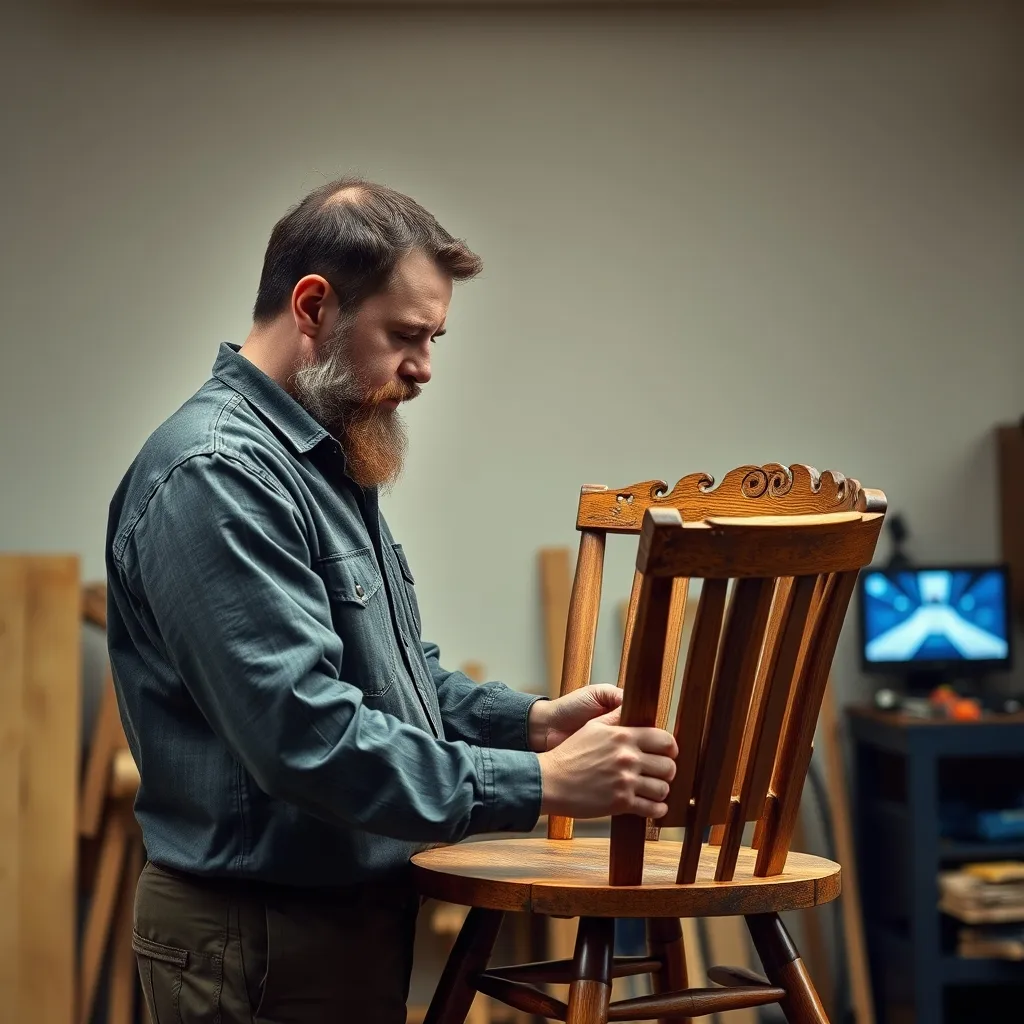 Rescuing a Build From a Bad or Incomplete Plan: Fixing Missing Dimensions and Wrong Cut ListsYou've bought or downloaded a plan, started cutting, and something doesn't add up. A dimension is m…
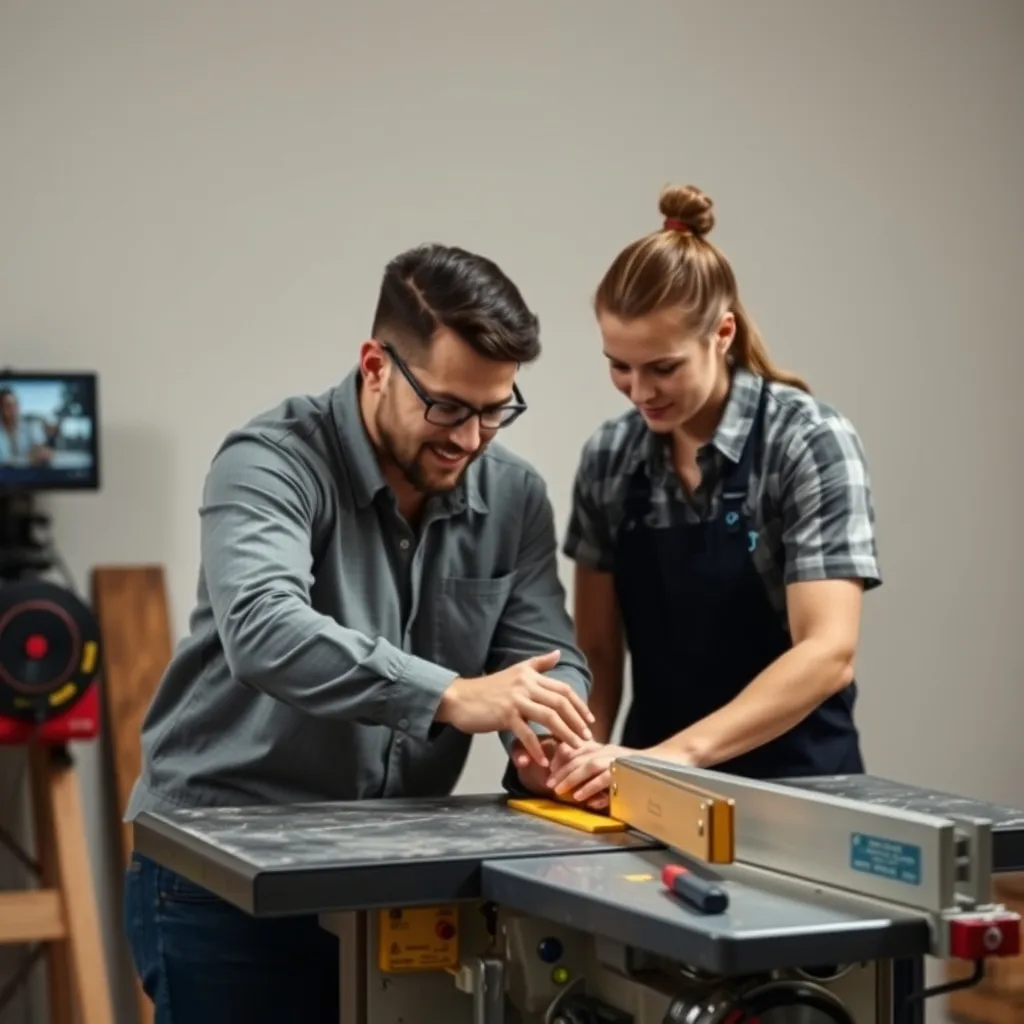 Class, Local Woodworker or Professional Help: When to Get Support Instead of Relying on Plans AlonePlans are good at telling you what to cut and in what order. They are poor at watching you cut it.…
 How to Plan a Woodworking Project Before You Buy Lumber: From Idea to Cut ListMost expensive woodworking mistakes happen before the first cut. A plan that looked complete turns…